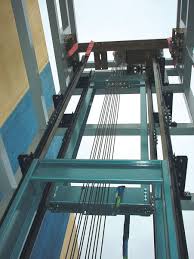
Elevator Hydraulic Machine
Hydraulic Cylinder: The hydraulic cylinder is a vertical piston-like device that contains hydraulic fluid and is connected to the elevator car. When hydraulic fluid is pumped into the cylinder, it causes the piston to move, lifting the elevator car.
Pumping System: The pumping system includes a hydraulic pump, motor, and control valves that are responsible for generating the hydraulic pressure needed to move the elevator car. The pump is usually located in a separate machine room or in the basement of the building, and it is powered by an electric motor.
Control System: The control system is responsible for controlling the movement of the elevator car, including starting, stopping, and positioning at desired floors. It typically includes electrical components such as controllers, relays, and sensors to monitor and control the hydraulic system.
Hydraulic Fluid: Hydraulic fluid is used to transmit and control the pressure in the hydraulic system. Common types of hydraulic fluids used in elevator systems include mineral oil, vegetable oil, or fire-resistant synthetic fluids.
Safety Devices: Hydraulic elevators also include safety devices such as overspeed governors, safety valves, and buffer springs to ensure safe and reliable operation.
Hydraulic elevator systems are commonly used in buildings with fewer floors, as they are generally more cost-effective for shorter travel distances compared to other types of elevators, such as traction or machine-room-less (MRL) elevators. However, hydraulic elevators do require a machine room or space for the hydraulic components, which can affect the building's design and layout. They are typically used in buildings such as low-rise residential buildings, small commercial buildings, and other applications where a conventional traction elevator may not be practical or cost-effective.